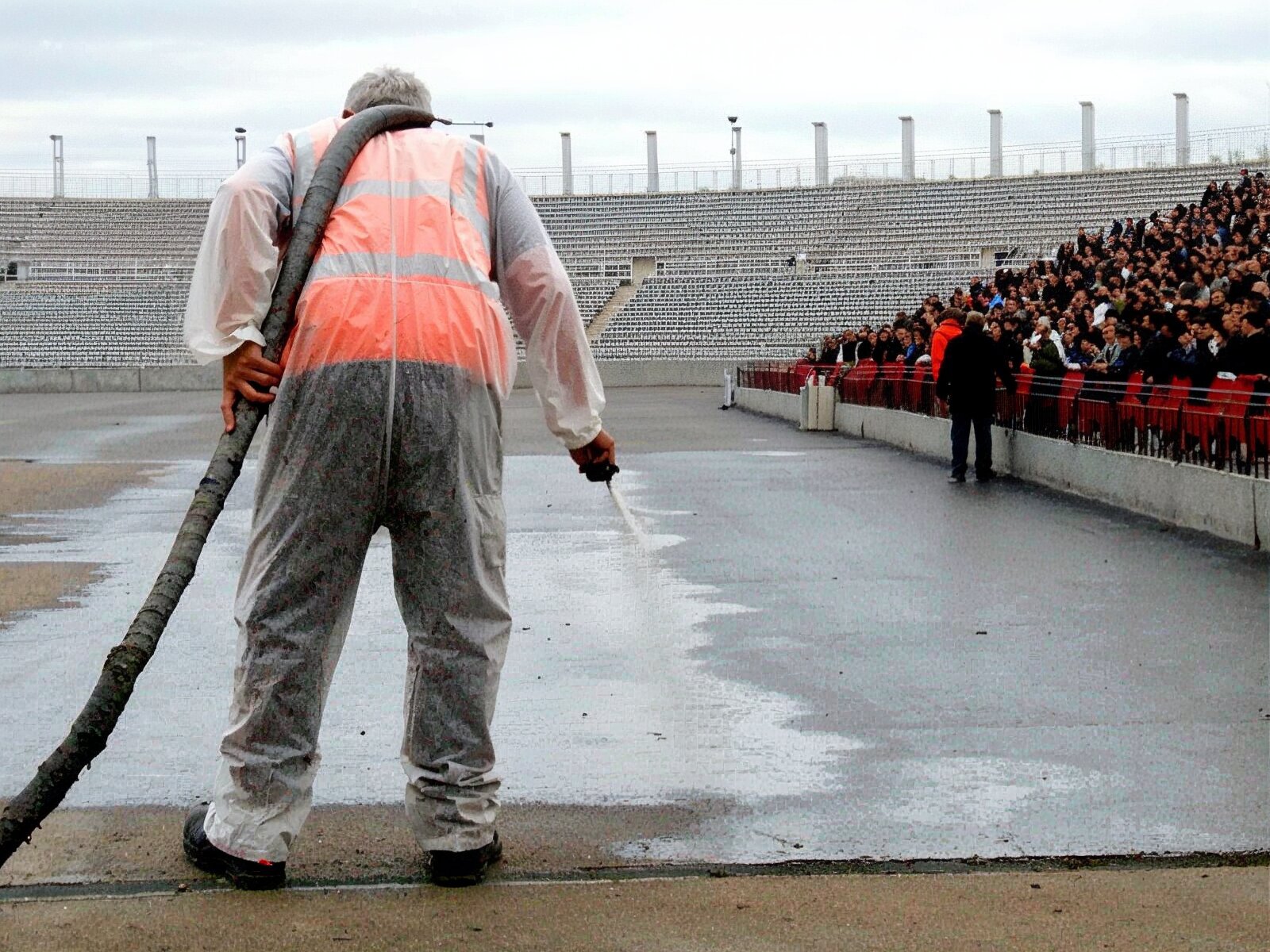
Why Waterproofing Matters in Stadium Design
Modern stadiums present a unique set of challenges when it comes to building durability. They carry the weight of massive attendance, unpredictable weather, and long cycles between major renovations. Yet, behind every successful structure lies one constant: protection from water. If ignored, moisture finds its way into expansion joints, decks, tunnels, and seating infrastructure. Once there, it begins to corrode steel, split concrete, and compromise public safety. The solution is neither new nor complex—but it demands precision. Effective waterproofing keeps the structure intact without disrupting the experience for those inside.
The Trouble with Moisture Intrusion
In stadium design, water doesn’t need a large opening. Small voids near penetrations, seams, or drains become entry points. From there, water expands, freezes, and pushes apart bonded materials. This is where technologies like polyurea waterproofing provide value that far exceeds their visual footprint. Once applied, polyurea forms a continuous membrane that bonds to a variety of surfaces—steel, concrete, and composite decking among them. It cures quickly, which keeps construction timelines on track, and it flexes with movement rather than cracking under stress.
Environments That Demand More Than Basic Protection
Few building types test materials the way stadiums do. Seating bowls collect standing water. Concession areas introduce grease, heat, and cleaning chemicals. Tunnels and service corridors experience traffic from vehicles and heavy equipment. Ordinary waterproofing systems struggle in such conditions. Coatings must perform under both constant use and long periods of inactivity. That contradiction forces designers and contractors to look for solutions proven under extreme wear.
Polyurea’s Flexibility Across Surfaces
Polyurea coatings meet that demand in part because they adapt. The formulation adjusts for thickness, cure time, or slip resistance, depending on the needs of the space. This versatility allows builders to coat horizontal decks, vertical walls, and even overhead features without using separate systems. That continuity reduces failure points. It also reduces maintenance.
Renovation and the Cost of Long-Term Thinking
The scale of investment behind major arenas only emphasizes the need for long-lasting systems. With each decade, the cost to repair increases. Entire stadium renovations now operate on timelines as long as the buildings themselves. Consider the renovation concepts currently being explored in Kansas City. These plans reflect more than cosmetic changes. They anticipate structural upgrades to keep the site usable for another generation. In that context, every system—drainage, expansion, membrane—must earn its place.
Learning from Industry Insight
When architects plan these builds, they often consult data from industry reports and specialists. Publications like polyurea magazine provide insight into how polyurea performs under conditions that mirror stadium usage. Contractors can learn which blends to use where, how to manage surface prep, and how to apply coatings at scale. Meanwhile, websites like polyurea waterproofing explain why the chemical properties of polyurea make it one of the most reliable methods for sealing exposed or high-risk concrete.
History and Lessons from Past Stadiums
Those looking to understand the broader trends can turn to legacy reporting on waterproofing sports stadiums. These pieces break down past failures and document how facilities corrected them. From leaks in concourses to full deck failures, the lessons remain the same. When coatings fail, the costs increase. A small leak allowed to continue across seasons can damage electrical systems, rust rebar, or cause concrete to spall from the inside.
Integrating Waterproofing from the Start
What sets apart modern waterproofing from earlier efforts isn’t just better chemistry. It’s better timing. Coatings are now applied earlier in the build process. That shift prevents water from reaching subsurface layers in the first place. When done properly, waterproofing becomes part of the foundation, not an afterthought.
A Long-Term View of Structural Health
Stadiums are more than venues. They are civic investments, gathering places, and long-term commitments. Their ability to last depends not only on the quality of their concrete or the reach of their sightlines, but on how well they handle the simplest problem in architecture: water. Coatings like polyurea don’t attract attention. They don’t appear in highlight reels. But their role defines how the structure ages.
Conclusion: Prevention Over Repair
For those responsible for maintaining these facilities, the choice comes down to prevention or repair. And in the case of stadiums—where downtime costs millions—prevention remains the smarter path.

Leave a Reply