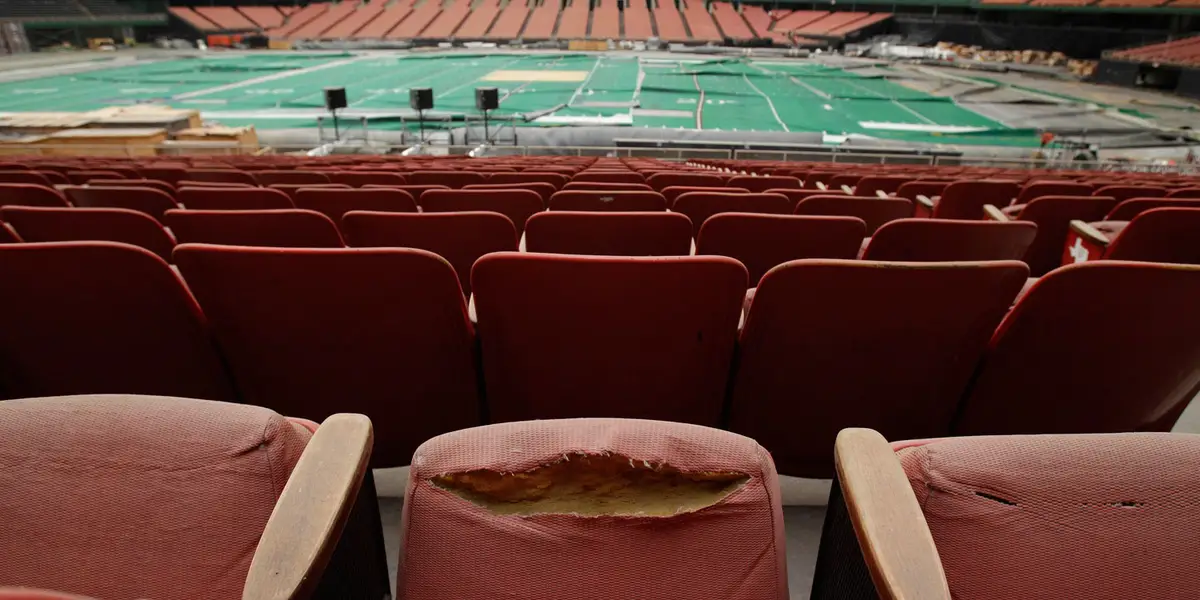
Stadiums face more water than most buildings. From rain sweeping through rows of empty seats to snow melting into concrete joints, moisture shows up in places no one expects. A stadium’s design may draw attention for its arches, roof spans, or seating capacity, but the structures that last tend to succeed because of what lies beneath the surface. Waterproofing plays a quiet, constant role in keeping those structures safe and usable, year after year.
Concrete, though strong, doesn’t resist water on its own. Cracks open slowly. Expansion joints move. Traffic, temperature, and time create paths for moisture to reach steel. Once water finds its way inside, corrosion begins. It’s slow at first—almost unnoticeable—but over time, rust expands inside the rebar and begins to separate the concrete from itself. That damage doesn’t just look bad. It puts the structural integrity of the stadium at risk.
Preventing that process requires more than one solution. Builders and maintenance teams use membranes, coatings, sealants, and drains—each selected for where it goes and what it must endure. Some products go under turf. Some coat walkways. Others line tanks, walls, or underground tunnels. The goal always stays the same: keep water out, keep people safe.
Among the options for surface protection, polyurea waterproofing continues to show advantages in stadium settings. Applied with spray equipment, polyurea forms a flexible, fast-curing barrier that bonds to concrete and expands with movement. Unlike rigid barriers that crack under pressure, polyurea moves with the stadium. It also cures quickly, allowing teams to resume work without long delays. Over time, this cuts down on maintenance cycles and prevents water intrusion before it begins.
For those exploring the broader space of waterproofing, it’s easy to get lost in technical claims. But the work itself comes down to one thing: stopping water before it causes damage. In that sense, the best systems rarely draw attention. When they work well, they stay invisible. No water stains. No musty smell. No surprise failures years down the line.
While large commercial facilities turn to polyurea-based solutions for their durability, even homeowners often look for simple options like waterproof paint to seal basement walls or garage floors. These do not serve the same purpose or scale as stadium coatings, but they reflect the same goal. Moisture never waits, and prevention always costs less than repair.
To understand how polyurea works in these roles, resources such as polyurea industry websites and platforms like polyurea magazine provide insight from professionals who apply coatings on bridges, stadiums, tanks, and infrastructure every day. They know how the chemistry works, but more importantly, they understand the conditions in the field. No coating matters unless it holds up where it’s sprayed.
The next time you walk through a stadium, the parts you don’t see will likely keep it standing. Under the concrete and behind the walls, waterproofing systems do their work without applause. They don’t make the game happen. But they make sure weather doesn’t stop it. That quiet reliability defines good engineering—and keeps crowds dry, even when the sky opens up.
Leave a Reply