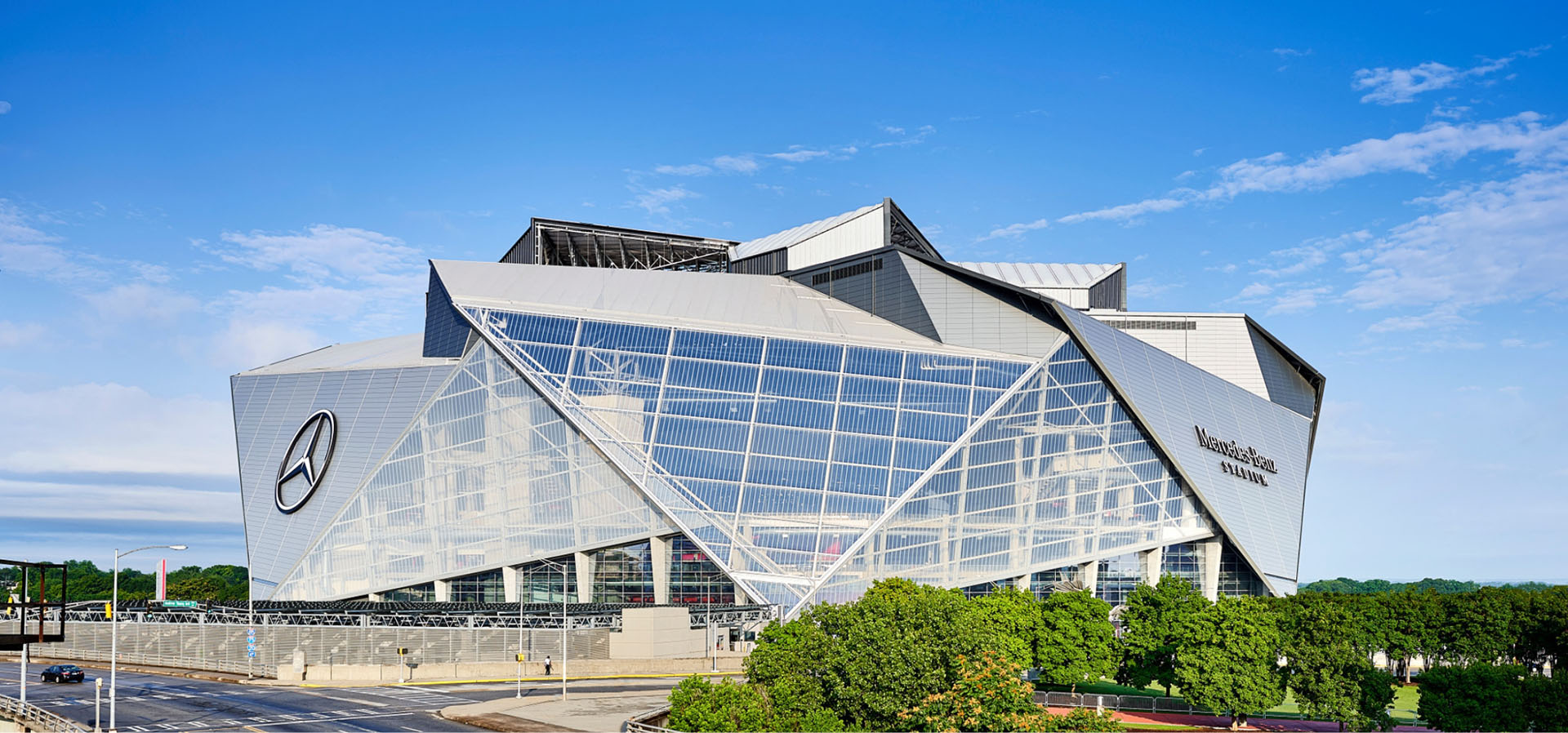
The Structural Importance of Waterproofing
Modern stadiums serve as cultural landmarks. They host sporting events, concerts, and large gatherings. These structures bear heavy loads, both literal and environmental. Constant exposure to water—from rainfall, groundwater, and internal systems—poses a significant threat to their integrity.
Stadium waterproofing is not merely a finishing detail. It is a structural safeguard. Left unaddressed, water infiltration leads to concrete deterioration, corroded reinforcement, and mechanical failure. To prevent such outcomes, facility managers integrate robust waterproofing systems into both new construction and ongoing maintenance.
Multiple Water Entry Points Require Layered Solutions
Stadiums face water intrusion from every direction. Rain hits open seating areas. Wind drives moisture into joints and cracks. Groundwater exerts hydrostatic pressure on subgrade walls. Each point of exposure demands a targeted response.
Concrete by nature is porous. While structurally strong, it absorbs moisture unless sealed. To counter this, crews apply waterproof membranes that bond to the concrete surface and prevent water ingress. The selection of materials depends on location, exposure, and load.
In elevated areas such as concourses and roof decks, coatings must withstand both pedestrian traffic and environmental wear. In below-grade areas, the challenge shifts toward resisting constant underground moisture. Systems in these areas must include drainage management alongside sealing components.
Roofing Systems Protect Infrastructure Below
Roof assemblies in stadiums must resist ponding, expansion, and rapid thermal shifts. Even minor failures lead to widespread internal damage. When water enters through a poorly sealed roof, it often spreads to wiring, lighting, and communications equipment.
Flat or low-slope roofs require continuous membranes, often applied in sheets or through spray systems. Proper application ensures that the material forms a monolithic barrier with no seams vulnerable to failure. These systems rely on detailed surface preparation, consistent weather conditions, and precise material mixing.
Ongoing maintenance remains essential. UV exposure degrades most sealants over time. Thermal expansion causes materials to shift. Trained crews must inspect and reinforce vulnerable sections on a routine basis.
Exposed Seating Areas and Drainage Design
Stadium seating, especially in open-air arenas, introduces another level of complexity. Rainfall must be directed away from concrete substrates through integrated drain systems. If water pools or becomes trapped, it begins to degrade the slab.
To prevent this, engineers install elastomeric membranes beneath the seating structure. These coatings accommodate movement while sealing against moisture. In many systems, a drainage mat is added below the membrane. It collects water and directs it to exit points without allowing it to contact the concrete.
Effective polyurea waterproofing systems are well-suited for these areas. Polyurea forms a highly durable, flexible barrier that adheres quickly and cures rapidly. Once applied, it withstands heavy use, weather extremes, and the abrasion of high foot traffic.
Subsurface Facilities Require Specialized Attention
Locker rooms, utility corridors, and storage areas often sit beneath seating decks. These zones remain vulnerable to both surface water and groundwater infiltration. Because they house critical infrastructure—such as plumbing, HVAC, and electrical systems—they require the highest level of protection.
Waterproofing in these areas begins during construction. Contractors use additives in the concrete mix, apply coatings to both positive and negative sides of the walls, and install vapor barriers. In existing structures, crews retrofit systems to resist pressure from the surrounding soil.
Subsurface pressure builds over time. If the waterproofing fails, moisture enters through cracks and penetrations. To counter this, many stadiums now rely on polyurea or hybrid coatings to maintain a watertight seal. These systems move with the building, minimizing stress on the seal during freeze-thaw cycles or settling.
Expansion Joints Present Constant Risk
All large buildings shift. Concrete expands and contracts with temperature changes. Steel frames move under dynamic loads. Expansion joints absorb these shifts—but they also introduce one of the most common failure points in any stadium.
Each joint must remain watertight while allowing movement. Sealants must stretch and compress without breaking their bond to the concrete. If the bond fails, water enters quickly.
In high-traffic areas, exposed joints require added protection. Installers often use metal covers, double-seal systems, or reinforced joint assemblies. Routine inspections allow crews to identify early failures and replace materials before they compromise structural integrity.
The Contrast Between New Builds and Repairs
New construction allows seamless integration of waterproofing systems. Engineers can design with materials and application sequences in mind. Contractors can access exposed substrates and apply full-coverage membranes before enclosing structures.
By contrast, retrofitting existing stadiums introduces challenges. Work must take place between events. Crews navigate around installed seating, concessions, and other infrastructure. Access becomes limited. Every task requires planning and coordination.
Despite these obstacles, repairs are essential. A delayed waterproofing project leads to greater costs over time. Moisture spreads. Surfaces degrade. Mold forms in inaccessible areas. Routine maintenance avoids these outcomes.
The Role of Material Selection
No waterproofing system lasts forever. Some degrade under sun exposure. Others become brittle in cold climates. Material selection must align with environmental conditions, traffic levels, and design lifespan.
Polyurea-based solutions have become a preferred choice across the industry. industry publications and third-party testing data provide ongoing insights into product performance, installation techniques, and real-world results.
When installed correctly, polyurea systems offer durability, elasticity, and chemical resistance. They bond to diverse substrates and adapt to complex geometries. These qualities make them well-suited for stadium applications, where failure is not an option.
A Small Leak Leads to Big Problems
A leak that starts as a surface stain can become a major repair. Water accelerates corrosion. It weakens structural components. It damages seating and support equipment. It spreads unseen beneath coatings and finishes.
A proactive approach prevents long-term issues. Trained professionals evaluate vulnerable zones and apply reinforcement before visible damage appears. Preventative waterproofing costs far less than emergency repair.
Patrons notice when the infrastructure fails. They remember wet seats, slippery ramps, or the smell of damp concrete. A well-maintained stadium builds trust—and keeps fans coming back.
The Work Behind the Game
Spectators focus on the game, not the structure. But behind every successful event lies careful planning and invisible protection. Stadium waterproofing ensures that each space—whether on the roof, under the stands, or beneath the field—remains secure.
This work rarely draws attention, but it plays a vital role in stadium performance. It preserves assets. It protects investments. It upholds safety.
As standards improve, and materials evolve, professionals continue to refine how they manage water. With the right tools and training, they ensure that even the largest venues can stay dry—game after game.
Leave a Reply