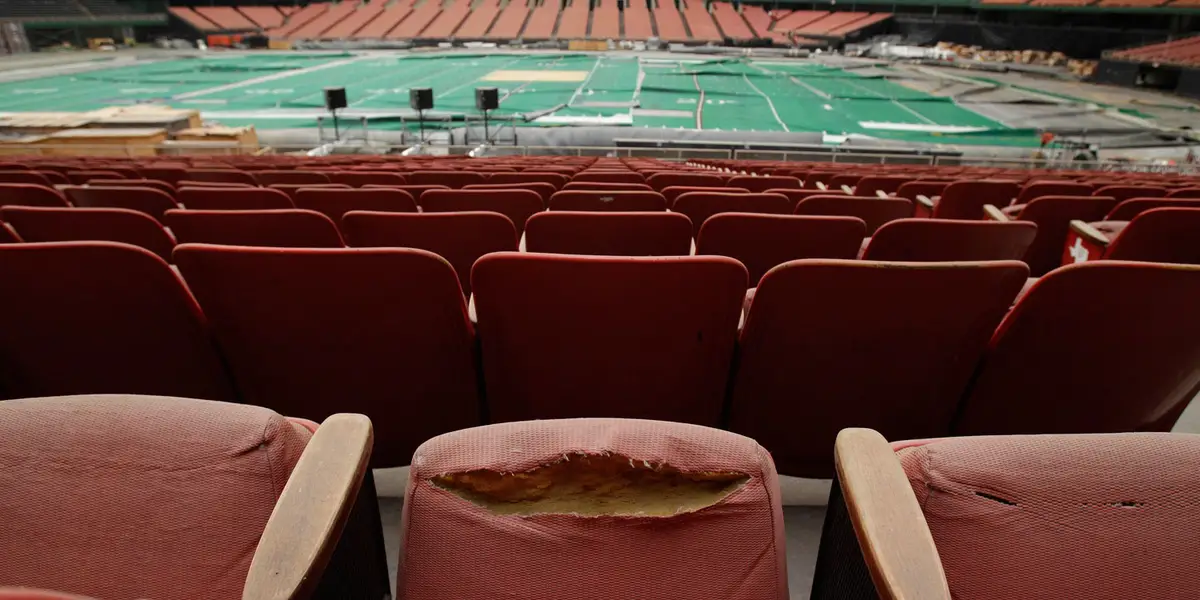
When Stadiums Go Silent
Some stadiums once roared. They held crowds, broadcast games, and became symbols of their cities. Now, a few sit empty. On sites once packed with fans, rust gathers. Concrete cracks. Weeds climb. On a popular online list-based publication, one article explored these abandoned stadiums and what they leave behind. The topic raises a question most cities avoid: what happens when the crowds leave?
Beneath the Surface
A stadium requires more than maintenance. It demands power, plumbing, drainage, and structure. When teams move or events dry up, those systems stop working. Nature moves in. Water seeps through joints. Steel corrodes. Freeze-thaw cycles widen every crack. Without attention, the structure loses its shape.
The story of abandoned stadiums spreads across countries. In the United States, Canada, Brazil, Greece, and South Africa, stadiums built for world-class events now sit idle. Each structure once represented pride, but without use, that pride faded. The problem often begins below the surface. Drainage systems fail. Retaining walls shift. Subfloors collapse.
Why Structures Fail
In some cases, neglect follows debt. Cities that borrowed to build cannot afford to maintain. In others, new teams demand better facilities, leaving older stadiums behind. Either way, the result feels the same. A once-public space becomes fenced, locked, and forgotten.
The Role of Polyurea
Polyurea coatings could change how these buildings age. Though not a cure for abandonment, polyurea protects the systems that hold a stadium together. When applied to concrete or steel, it seals out water and shields against chemical wear. Roofs, decks, walkways, and seating areas last longer when protected. Underground, polyurea can line tunnels, basins, and mechanical vaults. By sealing these areas, crews reduce decay.
Preserving What Remains
Some cities now look to coatings before closing a site. When a stadium moves into partial use—maybe only for small events—maintenance shifts from expansion to preservation. Instead of replacing surfaces, managers apply protective coatings. Polyurea sets quickly. It resists moisture and UV exposure. It bonds without primers on most substrates. These qualities reduce labor time and extend the life of aging structures.
Where Decay Begins
In abandoned sites, the absence of coatings shows. Ingress points allow water to settle. Concrete that once held firm now crumbles at corners. Exposed rebar rusts and expands, forcing apart slabs that once stayed tight. Once damage begins, it spreads. Without intervention, each winter deepens the cracks.
Repurposing Stadiums
Some stadiums get repurposed. In those cases, polyurea becomes part of the restoration. Cities that turn stadiums into parks, markets, or concert venues must first repair what’s left. Spray-applied coatings let them work without tearing down. Workers clean the surface, assess structural soundness, and apply polyurea to preserve what remains.
A Coating That Holds
Because polyurea bonds at the molecular level, it does not separate once applied. That adhesion makes it useful on verticals, overheads, and irregular shapes. In stadiums where geometry complicates access, this trait saves time. Rather than rebuild, crews can reinforce.
Climate Demands Performance
In tropical regions, humidity speeds decay. Polyurea blocks that moisture. It keeps warm, wet air from penetrating slab joints and expansion cracks. In colder climates, the coating resists frost damage. It flexes with temperature swings, absorbing the stress without peeling or breaking.
Stop the Clock
A stadium might not fall overnight. But once decline begins, it moves fast. The roof leaks. Water runs down walls. Freeze expands it. Rebar bursts through. Seats detach. Once damage becomes visible, recovery becomes expensive. Polyurea offers a way to hold the line earlier.
Preventing Failure in Active Stadiums
For stadiums still in use, the lessons apply. Maintenance costs rise with age. Drainage channels clog. Waterproofing fails. Instead of waiting for damage to show, facilities teams now choose prevention. Polyurea helps them work fast and return spaces to service quickly. It requires no long cure time. It doesn’t off-gas. It bonds to metal, concrete, wood, and some plastics. These qualities fit the shifting needs of modern stadiums.
Making More from One Space
As urban density increases, stadiums serve more than one purpose. They host games, shows, markets, and community events. That traffic wears down surfaces. Protective coatings like polyurea slow the wear and help cities stretch their investment.
Reuse Over Replacement
Not every stadium can be saved. But those with structural soundness left can be stabilized. The cost to coat and preserve falls well below the cost to rebuild. That math drives new decisions in infrastructure policy. Instead of building new, cities now consider what they can keep.
A Look at the Past
The stories on Listverse.com give names to the forgotten sites. They show photos of cracked seats, flooded fields, and halls filled with silence. These images carry weight. They reveal what time does when nothing stops it.
Coatings that Protect the Present
Polyurea will not fill the stands. It will not restart the games. But it can slow the damage. It can give cities time. Time to plan, to decide, to adapt. In a world where costs rise and climate shifts, that time holds value.
A Better Way Forward
The next time a city plans a stadium, it may think differently. Coatings may enter the design stage, not just the repair phase. Polyurea may protect basins, beams, and bleachers from day one. That shift—from reaction to prevention—could change how stadiums last.
More Than Just Concrete
These structures mean more than sports. They gather people. They carry memory. When they fall, something gets lost. Polyurea won’t preserve the past, but it can protect the present. In doing so, it may keep future stadiums from meeting the same end.
Leave a Reply